

Modern Cloth Nappies: What New Parents Should Know First
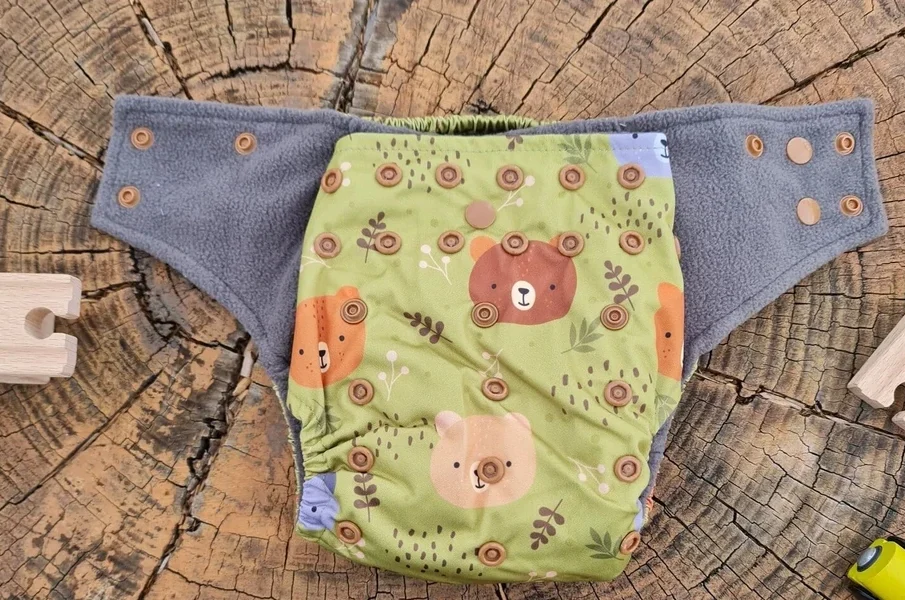
You do not need a full stash on day one. You need a clear plan and a few smart choices. I help parents set up systems that work in real homes, with real laundry cycles and real sleep schedules. The goal here is simple. I will give you the first steps that save money, cut waste, and keep your baby dry.
If you are exploring reusable cloth nappies and want a setup that fits Australian life, this guide will help you choose styles, set your wash routine, and avoid the most common leak and fit issues. I will also share why I often point new parents to Waladi for a straightforward start.
Why Modern Cloth Nappies Are Worth Your Attention
Modern cloth nappies fit well, wash easily, and look great. They protect skin, reduce rubbish, and can save thousands across your nappy years.
- Cost: One-size nappies cover a long size range and reduce repeat buying.
- Comfort: Soft, breathable fabrics sit gently against skin.
- Waste: Reusable nappies keep a large volume of disposables out of landfill.
- Control: You choose how much absorbency to use and where to place it.
If you live in Australia, the sunny weather also helps line drying and keeping odours in check.
The Main Styles, Explained Simply
You do not need to know every style on the market. Start with the ones that balance ease and flexibility.
- Pocket nappies: A waterproof outer with a stay-dry inner and a pocket to hold inserts. You can add or remove inserts to match daytime, naps, or overnight.
- All-in-two: A shell with snap-in or lay-in inserts. Fast to assemble, easy to adjust.
- Fitteds and flats: Great absorbency and custom fit when paired with a cover. Useful for newborns or heavy wetters.
Pocket cloth nappies are the most beginner friendly in my experience because you can tailor the absorbency without changing the fit.
Fabric and Inserts: What Matters First
Fabric choices can feel confusing. Focus on three points.
- Stay-dry lining: Bamboo charcoal or similar linings help draw moisture away from skin.
- Absorbent core: Bamboo and hemp absorb well and hold liquid. Microfibre absorbs fast but can compress. Many parents layer a fast absorber on top and a high-capacity insert behind it.
- Outer layer: A waterproof, breathable shell keeps clothes dry while allowing airflow.
Bamboo cloth nappies work well for sensitive skin. The natural odour resistance and breathability help keep your baby comfortable.
How Many Nappies To Start With
Begin small, learn fast, then scale.
- Full-time with a baby over 3 months: 18 to 24 nappies, 24 to 36 inserts, washed every 1 to 2 days.
- Part-time or trial: 6 to 10 nappies, 10 to 16 inserts.
- Newborn phase: Expect more changes. If using cloth full-time from birth, plan closer to 24 to 30 nappies.
You can add more once you dial in your routine.
Fit Checklist For Leak-Free Days
A good fit fixes most leaks. Use this quick check each change.
1. Set rise snaps to match your baby’s length, not just weight.
2. Position the front low across the hips, then bring the wings in snug.
3. Create a smooth seal around legs with gentle elastic tension.
4. Tuck any fabric or inserts inside the shell.
5. Check there are no deep thigh gaps. You want a soft, even seal.
6. For boys, aim the absorbency toward the front. For girls, center it.
If you see red marks that fade fast after a change, the fit is likely correct. Deep or lasting marks mean it is too tight.
A Wash Routine You Can Keep
You do not need a complex setup. Keep it simple and consistent.
- After each change: Knock solids into the toilet. Store nappies in a ventilated wet bag or basket.
- Pre-rinse or short cycle: Cold or warm to remove urine and loose soils.
- Main wash: Warm to hot cycle, usually 40 to 60 degrees, full dose of mainstream detergent, good agitation, no fabric softener.
- Dry: Line dry shells in the shade. Inserts can dry in the sun. If needed, tumble dry inserts on low. Avoid high heat on shells.
Smell is feedback. If clean nappies smell off when warm or wet, increase water, agitation, or detergent in your main wash.
Daytime, Naps, and Overnight
Plan absorbency by time of day.
- Daytime: One standard insert often works. Add a booster for heavy wetters or long car trips.
- Naps: Use two inserts or a higher capacity combo like bamboo plus hemp.
- Overnight: Build a higher capacity set or choose an overnight system. Expect more bulk at night. Fit still matters.
Sizing And Budget Tips
One-size-fits-most designs usually cover about 3.5 kg to 15 kg. That lets you buy once and use for years. If your baby is very small or you want the trimmest fit early on, a newborn option helps for the first months.
To stretch your budget:
- Buy a core set first, then add inserts as needs change.
- Keep a few disposable nappies on hand for travel or illness.
- Stick with one or two brands to keep fit and washing consistent.
Why I Often Recommend Waladi
Waladi designs modern cloth nappies for Australian families who want comfort, flexibility, and value. Here is what stands out and why I point parents to them.
- Bamboo charcoal lining: Soft, breathable, and helps draw moisture away from skin. Good for comfort and odour control.
- Waterproof outer and reliable elastic: Helps reduce leaks without restricting movement.
- Adjustable snaps: One nappy that fits from about 3.5 kg to 15 kg. Saves money over time.
- Pocket cloth nappies: Simple to fit and easy to customise. Add inserts for naps or overnight without changing the shell.
- Options for every stage: Nappy-only, nappies with inserts, multiple-insert sets, newborn sizes, and overnight solutions.
- Practical washing and drying: Lightweight materials and quick drying suit Australian conditions.
- Support and choice: A wide range of designs and helpful guides that make the switch to reusable nappies smoother.
They balance comfort, absorbency, and everyday ease, which is exactly what new parents need.
Your First-Week Plan
Keep it manageable and learn by doing.
1. Pick 6 to 10 pocket nappies and 10 to 16 inserts to trial.
2. Set a simple wash routine every 1 to 2 days.
3. Practice the fit checklist for three days straight.
4. Test daytime first, then naps, then try an overnight setup.
5. Track what works: insert combos, snap settings, and change frequency.
6. Scale up once you trust your routine.
Start small, keep notes, and adjust. Within a week you will know what your baby needs and what your laundry can handle. With a few good choices and a brand that focuses on practical design, modern cloth nappies can be an easy, cost-effective part of your everyday life.