
A Men’s Facial Label Is Only the Start of the Conversation
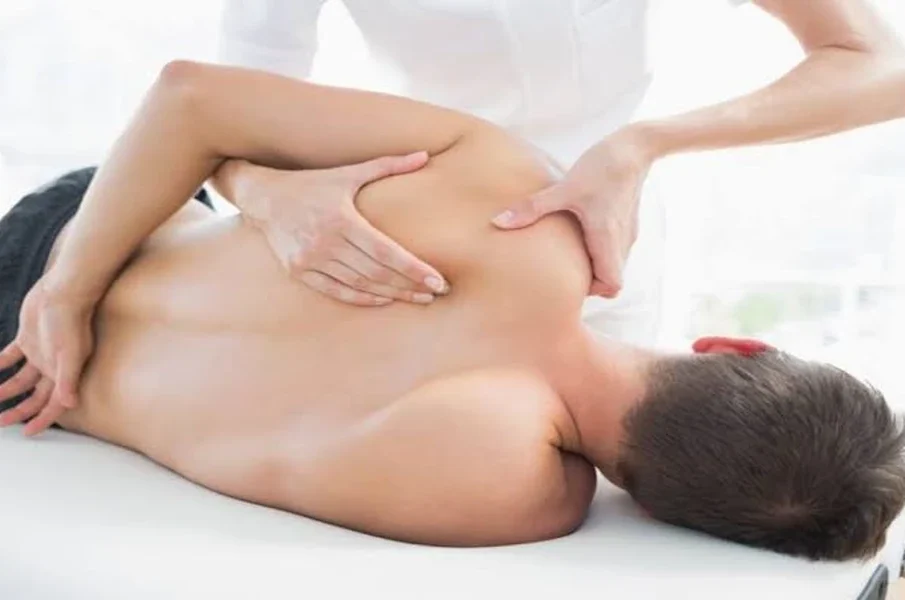
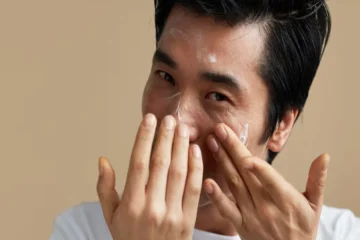
A men’s facial label can make a spa menu feel more approachable, but it does not describe an individual face. Facial hair, familiar products, recent shaving, personal preferences and the purpose of the visit still need a conversation. Use the label as an entry point, then find out what happens during the appointment and whether that process fits how you actually live.
You do not need to become a different kind of customer
Someone considering a first facial may feel that booking requires an interest in an entire grooming culture. It does not. A person can be curious about one service without wanting a shelf of products, a complicated routine or a new way of presenting themselves. The same applies to someone who already enjoys grooming: familiarity with products does not mean every spa process will be obvious.
For a local example, Azure Aqua Spa’s facial selection includes a Men’s Facial alongside other named formats in Kitchener-Waterloo. The presence of that option establishes a place to begin asking about the service. It does not establish that every man should choose it, that other categories are unsuitable, or that all guests booking it have identical needs.
The useful opening is plain language. “I have never had a facial and would like to understand what it involves” gives a provider something practical to answer. So does “I am interested in the appointment but do not want to leave with a complicated home routine.” Neither statement requires an apology or a detailed defence of the person’s current habits.
A friend’s enthusiasm can help someone become curious, but it should not become a script. The friend may enjoy particular scents, lengthy discussion or several service steps that the new guest does not want. Recommendations are starting points for a personal choice. They are not instructions to reproduce someone else’s appointment to prove that the experience was worthwhile.
Describe the face you are bringing to the appointment
A menu category is broad; a description of daily grooming is concrete. Say whether there is a beard or moustache, which areas are normally shaved, and whether any part of the face should be left alone. Ask how facial hair affects the proposed service. There is no reason to remove or reshape it merely because an appointment has been booked unless a specific, understood instruction makes that necessary.
Recent shaving is worth mentioning when the provider explains preparation. Ask for instructions for the exact service rather than borrowing a rule from a friend or a different treatment. The same approach applies to unfamiliar products and recent skin procedures. A spa should know the relevant facts before deciding what it can offer; the guest should not have to guess which detail matters.
Describe discomfort in ordinary terms if it is relevant. “This product stings when I use it” is clearer than deciding in advance what the cause must be. A persistent or concerning skin problem belongs with an appropriate healthcare professional. A facial booking is an opportunity to understand a cosmetic service, not a substitute for diagnosis or a reason to stop prescribed care.
Grooming preferences also have social meaning. Some guests want to retain a particular beard shape, avoid strongly scented products or keep their routine simple because they share a bathroom or travel frequently. Those facts can influence whether a proposed experience feels welcome. They do not have to fit a general story about what men supposedly enjoy.
The conversation can be brief without being vague. There is a difference between not knowing technical vocabulary and not knowing what feels uncomfortable. Guests are usually well placed to describe the latter. A provider can explain unfamiliar terms and ask for relevant detail, allowing the appointment to proceed from the person’s own experience.
Find out what the label actually includes
Ask for a description of the service in the order it happens. This makes the appointment easier to picture and reveals where there may be choices. A list of steps is more informative than relying on the word men’s to imply a particular strength, scent or style. None of those assumptions follows automatically from the name.
It can also be useful to ask how that service differs from another option on the same menu. The answer might concern time, products, focus or the way the treatment is adapted, but the provider should explain its own offering. Do not assume the difference must be dramatic. Sometimes the answer will help the guest choose another category; sometimes it will confirm that the original option is suitable.
Understand how explanations will be handled during the appointment. A newcomer may appreciate being told what the next step involves, while a returning guest may prefer fewer interruptions. State that preference without making it an all-or-nothing rule. Wanting a quiet visit does not mean agreeing in advance to any step that has not been explained.
Price and included services belong in the same conversation. A recommendation made during the visit may be useful, but the guest should know whether it changes the agreed purchase. Ask for clarity before accepting anything additional. There is no need to act especially confident or knowledgeable to avoid embarrassment; an ordinary question about cost is part of being an informed customer.
Take away knowledge that fits your own routine
At the end, focus on understanding the care instructions that actually apply to the service. Ask for unfamiliar directions to be explained and written down where possible. If product suggestions are offered, distinguish instructions needed after the appointment from optional shopping ideas. That distinction makes it easier to follow what matters without interpreting every suggestion as an immediate purchase.
Keep the conversation realistic about daily life. Someone willing to use one simple product is unlikely to find an elaborate sequence useful merely because it sounds thorough. Explain the time, interest and budget available. A recommendation can be considered later; leaving the spa without buying anything extra does not diminish the appointment.
Afterward, the useful question is whether the service was understandable and comfortable enough to consider again. There is no grooming identity to earn and no standard collection to assemble. Knowing one new thing about a process, expressing a preference clearly, or deciding that a different format would suit better can be a perfectly adequate result from a first visit.