
How to Build Strong Packaging for Cosmetic Products
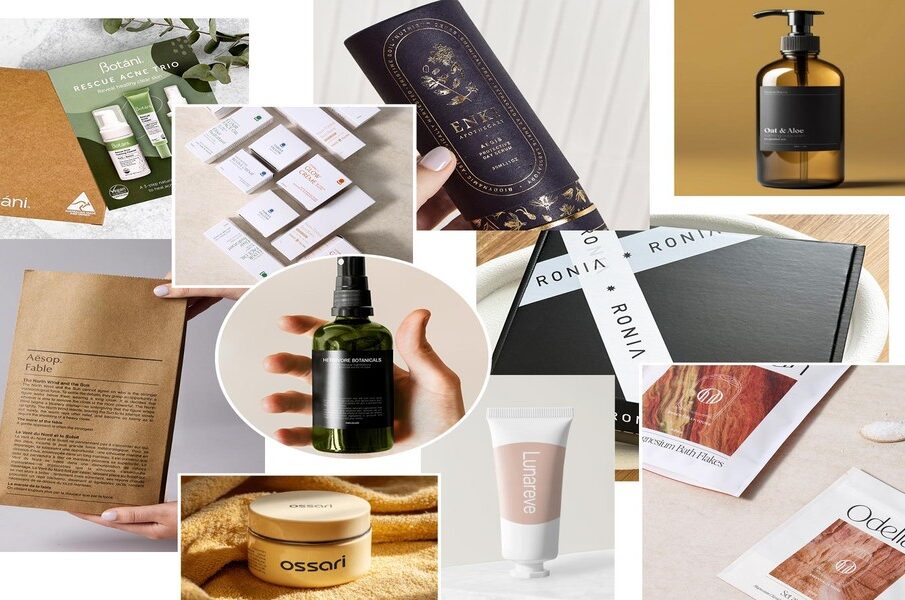
You already know packaging plays a direct role in how your product is perceived. I look at packaging through two lenses. First is how it supports the product. Second is how it shapes the buyer’s decision. That is how I judge what works and what does not.
If you are exploring cosmetic packaging, you need to think beyond appearance. I will walk you through how to choose the right formats, materials, and finishes, and how to avoid common mistakes that hurt brand trust and sales.
Why Packaging Decisions Matter
I see many brands focus on formula and ignore packaging until late. That leads to poor fit, weak presentation, and wasted cost.
Your packaging should do three things:
- Protect the product
- Match how the product is used
- Support your brand identity
If one of these fails, your product feels inconsistent.
For example, a high-end skincare cream in a cheap plastic jar creates doubt. A serum with a weak dropper creates frustration. These issues cost repeat customers.
Choosing the Right Format
Start with how the product is used. That should guide your packaging type.
Here is how I think about common formats:
- Jars
Best for creams, balms, and masks
Easy access but less hygienic - Pump bottles
Good for lotions and liquid skincare
Clean dispensing and controlled usage - Dropper bottles
Ideal for serums and oils
Precise dosing - Tubes
Great for travel and daily use products
Lightweight and easy to carry
Beauty packaging tubes work well when you want convenience and lower shipping weight. They also reduce product waste, which matters to buyers.
Material Selection and What It Signals
Material choice affects both function and perception.
I break it down like this:
- Glass
Feels premium
Works well for skincare and oils
Heavier and more fragile - Plastic
Lightweight and cost efficient
Flexible for many shapes
Needs strong design to feel premium - Eco materials
Appeals to sustainability-focused buyers
Requires clear communication on usage and disposal
If your brand leans toward clean or natural products, eco-friendly options help reinforce that message. If your brand is luxury, glass with refined finishes often fits better.
Customisation and Brand Identity
This is where many brands fall short. Generic packaging limits how your product stands out.
You should aim for packaging that reflects your identity through:
- Shape and size
- Colour consistency
- Finish and texture
- Print quality
Advanced printing and finishing make a visible difference. Options like Pantone colour matching, embossing, or matte coatings help create a consistent look across your product line.
I suggest focusing on consistency first. Every product should feel like part of the same brand.
Working with a Packaging Partner
Choosing the right supplier changes everything. A strong partner removes guesswork and helps you avoid costly mistakes.
I recommend looking for a supplier that:
- Offers full customisation across jars, bottles, pumps, and tubes
- Provides guidance on material and format selection
- Supports sampling and proofing before production
- Handles production and shipping in one process
The Packaging People stand out because they cover all of this. They provide custom printed jars, bottles, pumps, and tubes with full control over size, material, and finish. Their process includes consultation, artwork approval, production, and delivery, which helps you stay focused on your product and marketing.
They also support both custom and ready-to-ship options. This matters if you want to test products before committing to large orders.
Balancing Cost and Quality
You need to balance budget with long term value.
Here is how I approach it:
- Start with your target price point
- Work backward to packaging cost per unit
- Increase order volume to reduce unit cost
- Avoid cutting quality on visible elements
Cheaper packaging may save money upfront but can reduce perceived value. That leads to lower conversion rates and weaker brand trust.
Bulk orders often reduce cost per unit. If you plan to scale, it makes sense to align packaging decisions with future volume.
Sustainability and Buyer Expectations
Sustainability is no longer optional for many buyers. You do not need to go fully eco, but you should be aware of expectations.
Consider:
- Recyclable materials
- Reusable packaging
- Minimal excess packaging
The Packaging People offer eco-friendly options, which helps brands align with this shift without sacrificing quality.
Common Mistakes to Avoid
I see these mistakes often:
- Choosing packaging before finalising product formula
- Ignoring how the product is dispensed
- Using inconsistent colours across products
- Skipping sampling and proofing
- Picking the cheapest option without thinking long term
Each of these leads to issues that are expensive to fix later.
Final Thoughts
If you want your product to stand out, packaging cannot be an afterthought. I focus on function first, then presentation, then cost.
Start with how your product is used. Choose formats that support that. Use materials and finishes that match your brand. Work with a supplier that can guide you through the process.
When you get this right, your packaging does part of the selling for you.