
Fashion Yarn Explained: Purpose, Characteristics, and Textile Applications
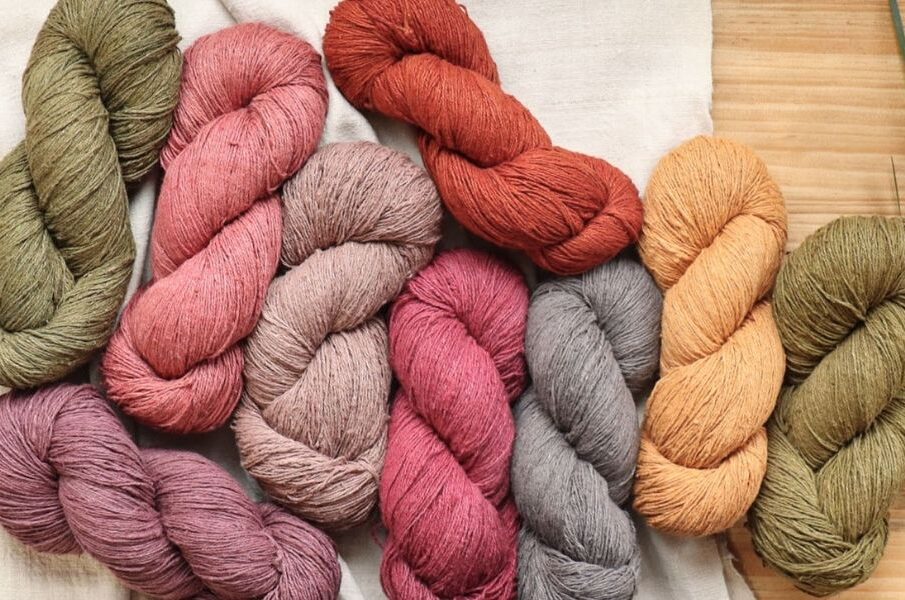
The textile industry continuously evolves to meet changing consumer preferences, especially in areas related to aesthetics, creativity, and design expression. Among the many specialized yarn categories developed to support this evolution, fashion yarn holds a distinct place. Unlike conventional yarns that focus primarily on strength or functionality, fashion yarns are designed to enhance visual appeal and texture in fabrics.
Fashion yarns are widely used in apparel, accessories, and home textiles where appearance, uniqueness, and surface design play a key role. Their construction allows designers to experiment with structure, color, and feel, resulting in fabrics that stand out in competitive markets.
Key Characteristics of Fashion Yarn
Fashion yarns are defined less by strict technical standards and more by their creative flexibility.
Some of their most notable characteristics include:
- Decorative appearance with intentional irregularities
- Enhanced texture, such as loops, slubs, or thickness variations
- Visual depth created through color blends or mixed fibers
- Design-driven construction rather than uniformity
These qualities make fashion yarns especially valuable in trend-focused textile segments.
Purpose of Using Fashion Yarn in Textiles
The primary purpose of fashion yarn is to add visual interest and surface design to fabrics. Designers use these yarns to create unique patterns, textures, and effects that cannot be achieved with standard yarns.
At this stage, many professionals ask a fundamental question: What is Fashion Yarn?
It refers to a category of yarns intentionally engineered to enhance style, texture, and individuality in textile products rather than focusing solely on mechanical performance. Fashion yarns help transform simple fabric constructions into distinctive, market-ready designs.
Common Types of Fashion Yarn
Fashion yarns can be classified based on their structure and decorative effect:
Slub Yarns
These yarns have thick and thin sections along their length, creating a natural, textured appearance often used in casual and premium fabrics.
Bouclé Yarns
Characterized by looped fibers, bouclé yarns add volume and a soft, three-dimensional surface to fabrics.
Chenille Yarns
Known for their velvety texture, chenille yarns provide richness and softness, commonly used in apparel and home textiles.
Multi-Component Yarns
These yarns combine different fibers, colors, or filament types to create complex visual effects.
Applications of Fashion Yarn
Fashion yarns are widely used across multiple textile categories, including:
- Knitwear and woven apparel
- Scarves, shawls, and accessories
- Upholstery and decorative fabrics
- Cushions, throws, and home décor items
Their adaptability allows designers to apply them in both seasonal fashion and long-term product lines.
Design and Manufacturing Considerations
While fashion yarns offer creative freedom, they require careful handling during manufacturing. Factors such as yarn tension, weaving or knitting speed, and finishing processes must be adjusted to preserve the yarn’s decorative properties.
Manufacturers often balance aesthetics with usability, ensuring that the final fabric maintains acceptable durability and comfort alongside visual appeal.
Market Value of Fashion Yarn
In competitive textile markets, fashion yarns add value by enabling product differentiation. Brands that incorporate fashion yarns can offer exclusive designs, justify premium pricing, and respond more effectively to changing fashion trends.
Their role is especially significant in collections where uniqueness and design storytelling are central to brand identity.
Conclusion
Fashion yarn plays a vital role in modern textile design by prioritizing creativity, texture, and visual impact. Through specialized construction techniques and innovative material combinations, these yarns allow designers and manufacturers to push beyond conventional fabric aesthetics.
By understanding how fashion yarns function and where they add value, textile professionals can strategically incorporate them into products that align with evolving consumer expectations and market trends.