
Deconstructing the Creative Process Through Wearable Art
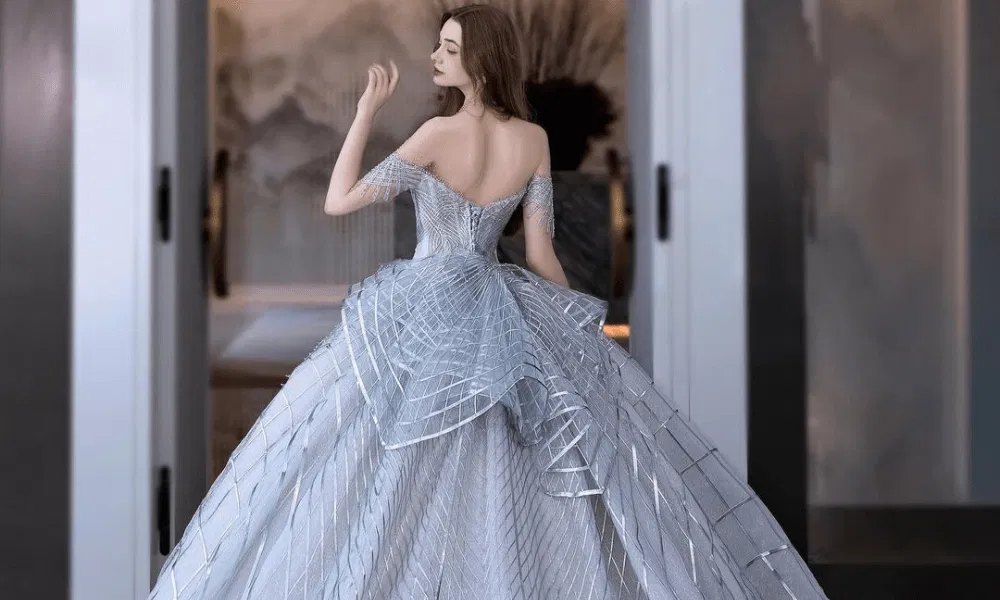
The human impulse to create is as ancient as consciousness itself. From cave paintings to cathedrals, the journey from nascent idea to tangible form has captivated thinkers across disciplines. While traditional art forms offer rich ground for exploration, wearable Sullen artist series tees, with its unique blend of aesthetics, functionality, and intimate connection to the human body, provides an especially compelling lens through which to deconstruct the creative process. It is a field where imagination literally takes shape, where concepts are molded, draped, and adorned, revealing the intricate dance between thought, material, and execution.
The Genesis of an Idea: Inspiration and Conception
Every creative endeavor begins with a spark. For wearable artists, this spark can ignite from myriad sources: the iridescent shimmer of a beetle’s wing, the geometric precision of architectural blueprints, the fluidity of water, or the visceral impact of social injustice. Unlike a painting that hangs on a wall, or a sculpture that stands on a plinth, wearable art often demands an idea that can interact with the human form, that can be animated by movement, or that can communicate a message through its very presence on the body. The conceptualization is not merely about an abstract idea, but about an idea that will physically manifest and engage with a living, breathing canvas.
The Translator’s Dilemma: From Concept to Materiality
Once an idea takes root, the next crucial step is translation – moving from the ethereal realm of thought into the tangible world of materials. This is where the creative process in wearable art truly reveals its deconstructed layers. The artist must choose materials that not only convey the aesthetic vision but also possess the necessary properties for wearability. A concept requiring delicate transparency might lead to organza, lace, or even innovative bio-plastics. A desire for strength and protection might necessitate metals, leather, or composite materials.

The Embodied Narrative: Form, Function, and the Human Canvas
What truly sets wearable art apart, and illuminates the creative process so vividly, is its intimate relationship with the human body. The body is not merely a display stand; it is an integral component of the artwork. This necessitates a profound understanding of anatomy, movement, and the psychological impact of adornment. The artist must consider how the piece will drape, how it will move with the wearer, and how it will transform the wearer’s silhouette.
This stage of the creative process involves rigorous prototyping and fitting. The artist must anticipate how the piece will function in real-world scenarios – whether it’s for a runway, a performance, or a gallery exhibition. This functional aspect introduces a problem-solving dimension that pushes the creative process beyond purely aesthetic considerations. It forces the artist to think structurally, ergonomically, and practically, often leading to innovative solutions for closures, supports, and internal frameworks that are themselves artistic feats. The body becomes a co-creator, its contours and movements dictating and enhancing the artwork’s narrative.
The Final Unveiling: Performance, Context, and Interpretation
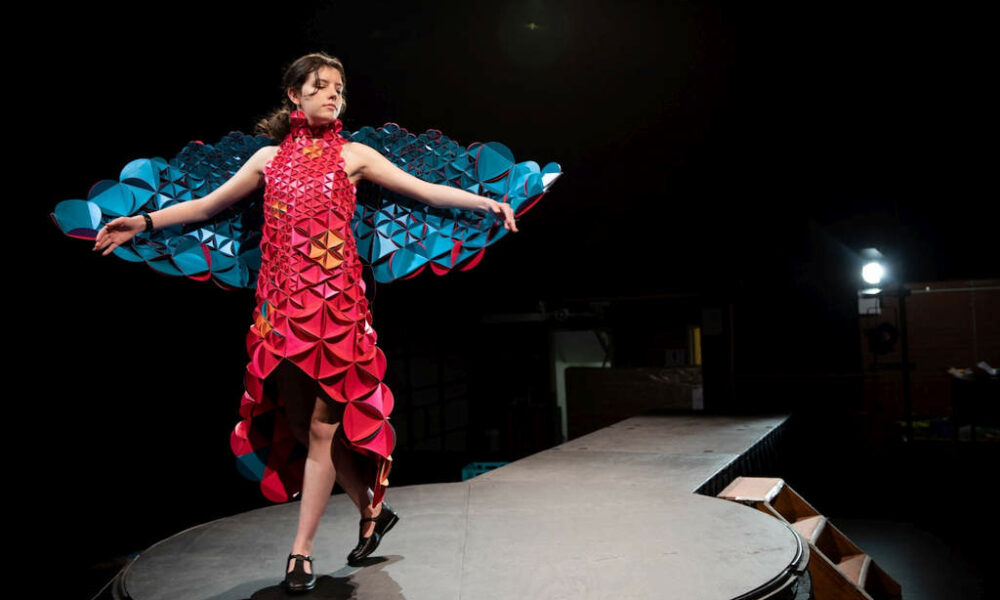
The culmination of the creative process in wearable art often involves a public unveiling – a runway show, a performance, an exhibition, or a photoshoot. Here, the artwork truly comes alive, animated by a human presence and interacting with its environment. This final stage is critical for understanding the artwork’s impact and the artist’s success in conveying their original intent.
Conclusion: The Enduring Threads of Creativity
Deconstructing the creative process through the lens of wearable art reveals its intricate tapestry of inspiration, material translation, functional consideration, iterative refinement, and public engagement. It underscores that creativity is not a mystical, unapproachable force, but a systematic yet fluid journey of problem-solving, experimentation, and communication. Wearable art pushes the frontiers of creativity while also forcing artists to consider concrete limitations.