
Learn About the Top 5 Mistakes to Avoid When Working with Lace Tape
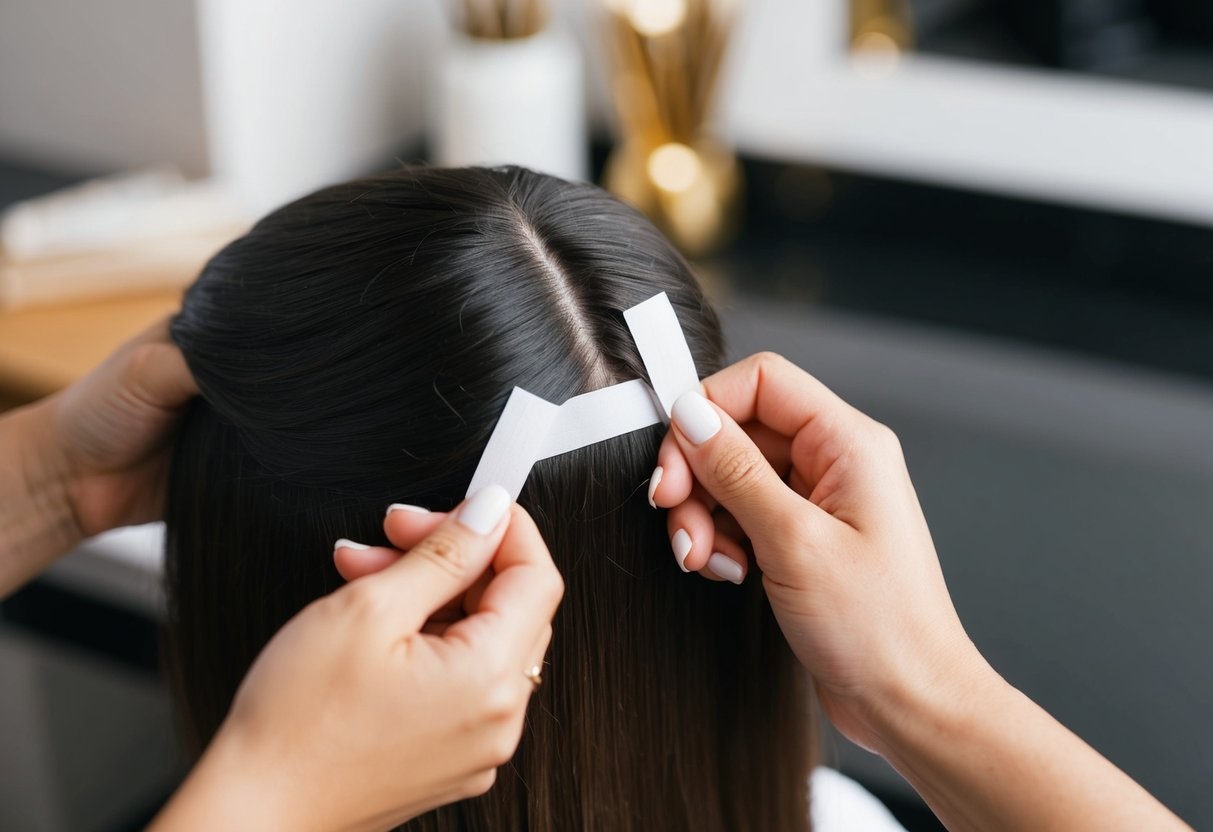
Lace tape has developed into a preferred choice among crafters, DIY fans, and designers alike. It’s sensitive, beautiful, and flowing to use—ideal for scrapbooking, wrapping, card preparing, and even embellishing attire and desks. However, regardless of its natural appearance, active accompanying lace tape can be sly if not controlled properly.
To help you get high-quality results from your lace tape projects, here are five common mistakes to prevent and solutions instead.
1. Skipping Surface Preparation
· The Mistake:
Applying lace tape directly to dirty, greasy, or textured surfaces.
· Importance:
Lace tape has a sticky backing that everything best on smooth, clean surfaces. If the region isn’t prepared correctly, the tape may not stick well, superior in peeling or lifting edges.
· Solution:
Clean your surface with a dry fabric or mild cleaner before administering the tape. For fabrics, confirm the material is flat and pressed, while for paper or wood, guarantee it’s smooth and free from dust or residue.
2. Cutting Without Precision Tools
· The Mistake:
Using dull scissors or cutting the lace tape by hand.
· Importance:
Lace tape has sensitive, complicated patterns.
· Solution:
If possible, place the tape on an incisive mat and measure tentatively before decoration.
3. Not Testing Adhesion First
· The Mistake:
Applying lace tape directly to your last project without inspecting whether it sticks well.
· Importance:
Different surfaces respond differently to sticking. Some lace tapes may not attach properly to fabric, metal, or textured surfaces unless reinforced accompanying extra glue.
· Solution:
Test a small strip of tape on a secret area first. If the bond is weak, acknowledge using a fabric sticking or double-sided tape for additional hold.
4. Stretching the Tape While Applying
· The Mistake:
Pulling the lace tape too fixedly, all the while applying.
· Importance:
Stretching can distort the pattern and cause the tape to lift or curl at the edges previously it’s been used.
· Solution:
Gently pressure the tape below as you go, without pulling or elongating it. Work moderately and use a smoothing tool or your fingers to press it, working evenly.
5. Ignoring Proper Storage
· The Mistake:
Leaving lace tape unprotected to air, dust, or sunshine.
· Importance:
Exposure to heat, humidity, or dust can halt the sticking or cause a stain, especially if the lace tape holds pattern or sensitive threadwork.
· Solution:
Store lace tape in a cool, dry place, preferably in allure original packaging or a secure canister. Keep it out of direct sunshine to maintain its alluring color and fixing characteristic.
Conclusion
Lace tape can add a touch of taste to almost any project—if used right. By preventing these low mistakes, you can ensure that your designs look clean, bright, and professional. Take your period, prep your surfaces, and treat the tape with accompanying care. The result? Beautiful, enduring creations that reveal your attention to detail.